
Protecting what we value
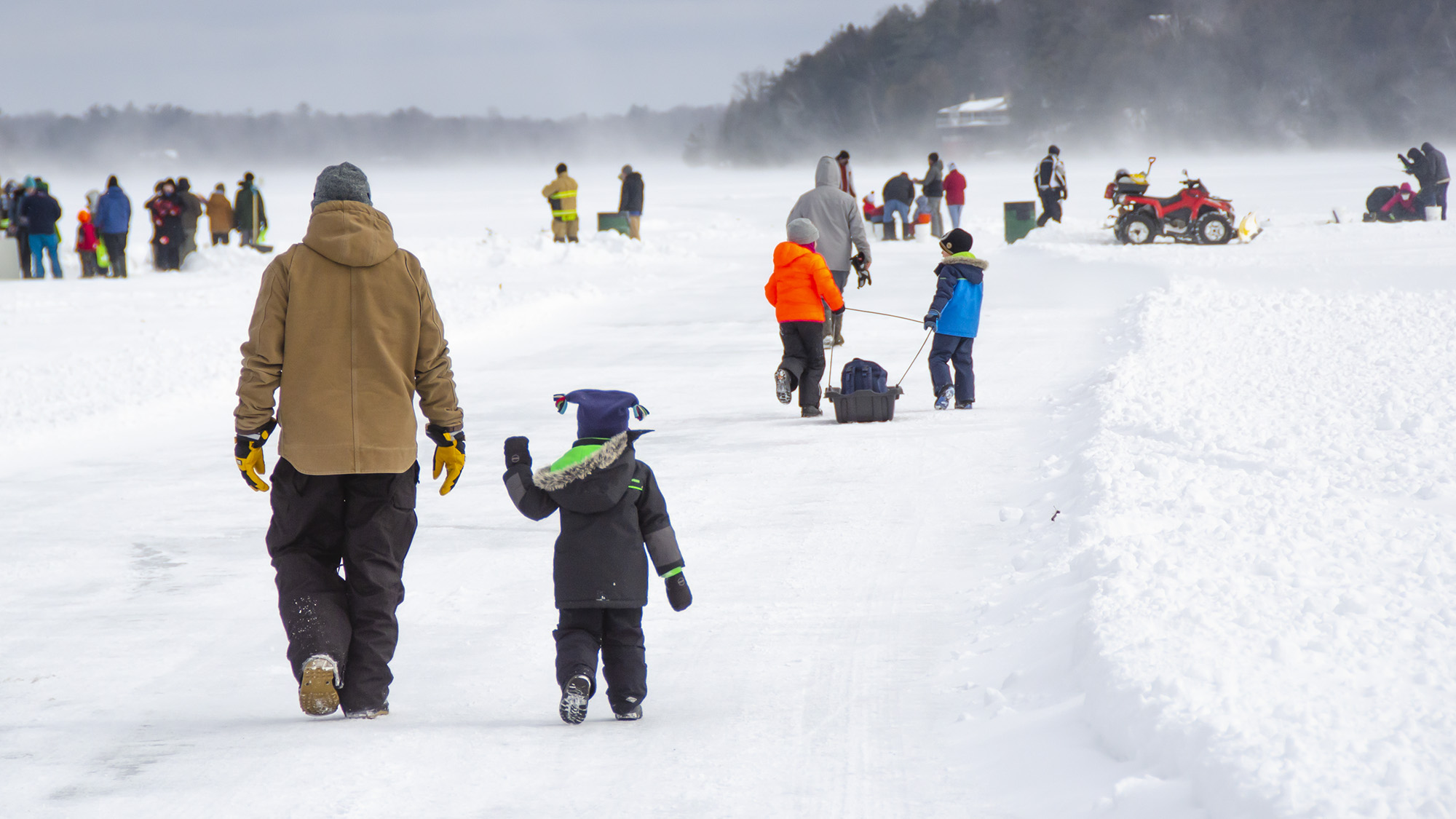
How Council protects natural areas, prepares for emergencies, reduces energy use, and looks after infrastructure residents will rely on tomorrow.
Frontenac’s lakes, forests, shorelines, rural communities, and public infrastructure are part of what makes this a special place to live. Protecting them requires foresight, adaptability, and long-term planning. During the 2022-2026 term, Council supported work to better understand natural hazards and natural heritage, reduce energy use in County facilities, prepare for emergencies, and plan for the infrastructure residents will need in the future.
Planning growth with better environmental information
As Frontenac grows, councillors and planners need the best possible information about where development can happen and where additional protections are needed.
Council approved updated Environmental Impact Study guidelines during the term. Staff continued work with conservation authorities, township staff, property owners, and other partners to protect our natural heritage as development proposals move through the planning process.
Council advanced a Natural Heritage Study in 2026. Staff will use the outcomes of that work to inform future planning and development decisions.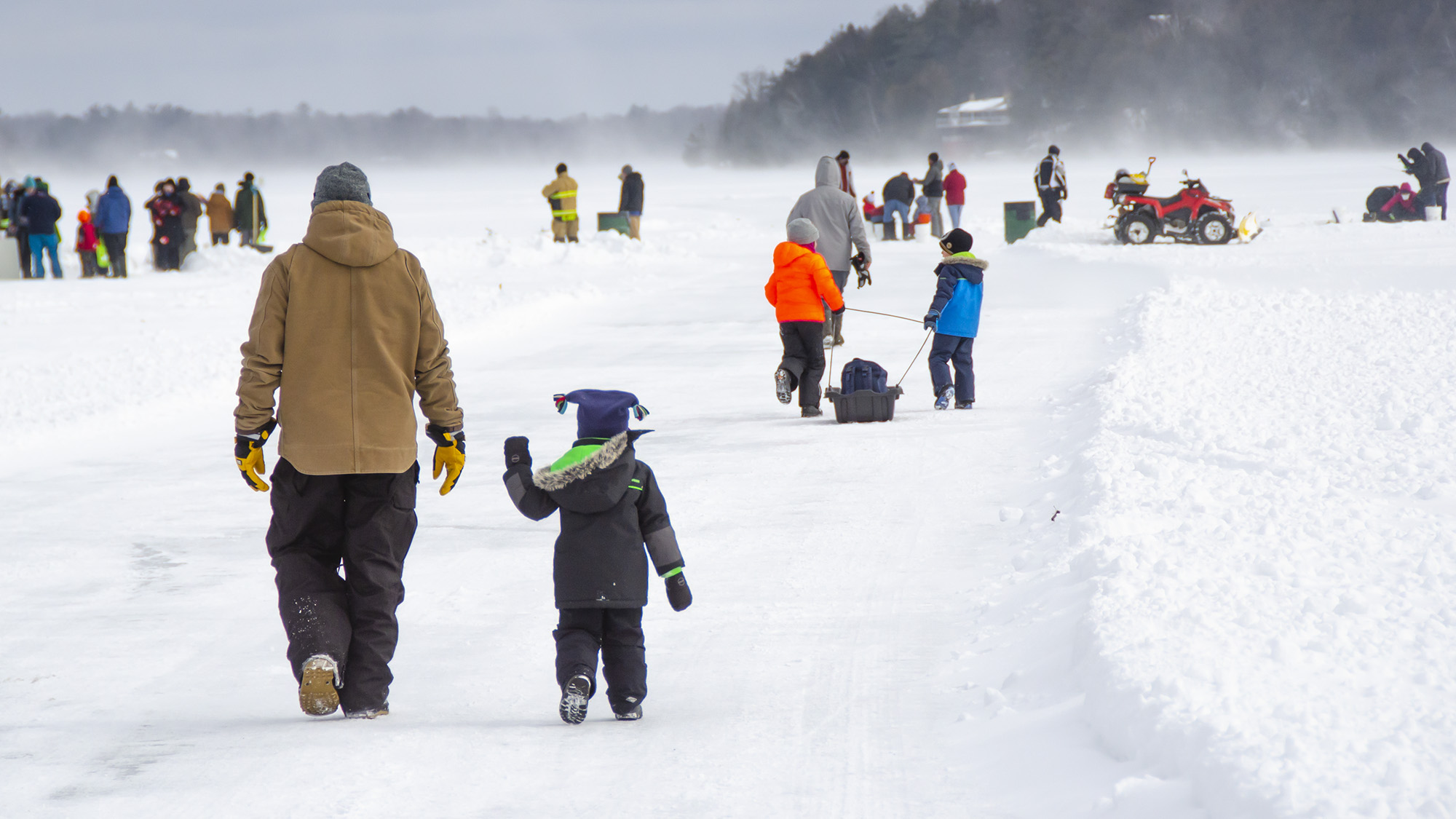

Understanding flood risk
Flooding can affect homes, roads, infrastructure, and choices about future development. Understanding how and where flooding may occur helps determine how best to control water levels, where it may be unsafe to build, and how to minimize risks to people and property.
In 2024, Council participated in a $213,500 floodplain-mapping project led by Cataraqui Conservation in partnership with the City of Kingston and Township of South Frontenac. Council approved $12,099 from the County’s Sustainability Reserve toward Frontenac’s share of that project.
Using less energy in County facilities
Council oversees the amount of energy used in County-owned facilities.
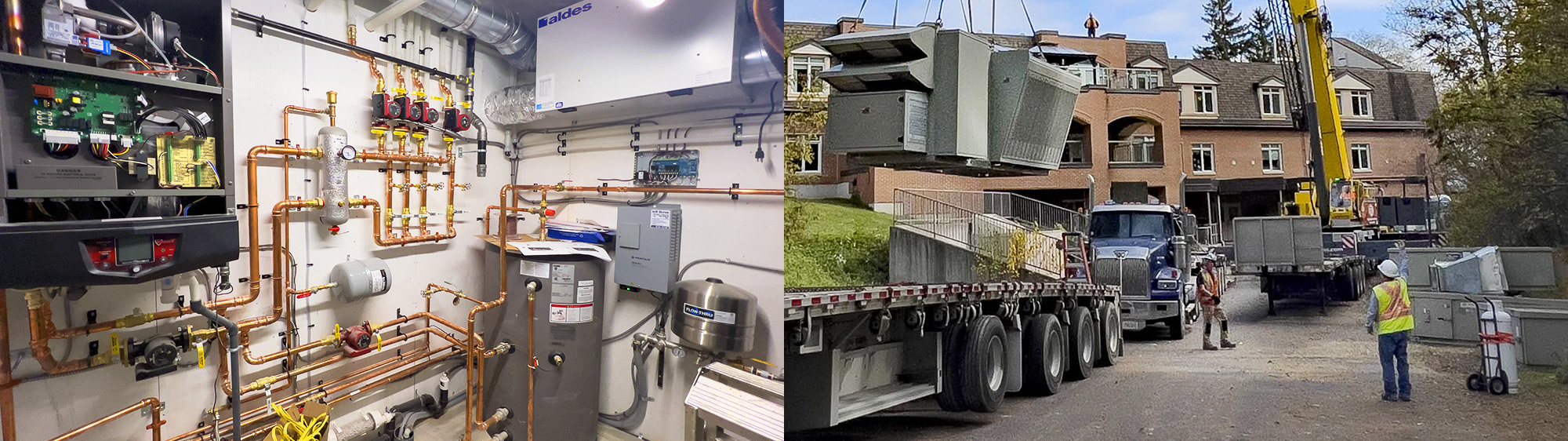
Staff reported a 23-percent reduction in greenhouse gas emissions and an 11.4 percent decrease in energy use in County facilities between 2018 and 2023. They set a further one percent annual reduction target from 2024 through 2028.
Hope for the best, prepare for the worst
Severe weather, flooding, extended power outages, major transportation disruptions; Emergencies happen with little warning. Preparing for the unexpected is part of Council’s work.
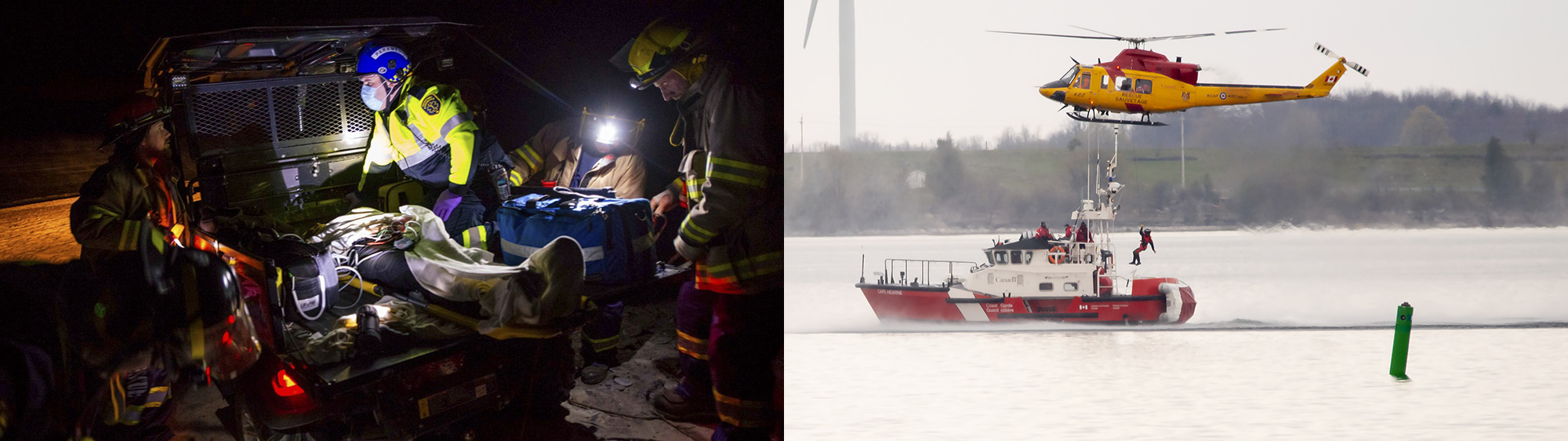
County staff worked with township emergency-management staff, first responders, community partners, Emergency Management Ontario, and other agencies during the term to plan and practice for emergencies that could affect Frontenac communities.
Council supports that work through emergency planning, training and exercises, continuity planning, and coordinating and providing resources needed when services are disrupted. Much of that preparation happens quietly in the background.
Looking after what we’ve built
Protecting what people value also means taking care of the public infrastructure on which they rely. That work is easy to overlook because maintenance attracts less attention than new buildings or vehicles. But looking after existing assets is critical to maintaining reliable public services over the long term.
During the term, Council invested in maintaining Paramedic facilities, trail assets, vehicles, equipment, and more. Council also increased the funds set aside for capital reserves each year, so future councils have financial resources available when assets require major repair or replacement.
What comes next
Protecting Frontenac requires the next council to balance growth, environmental protection, emergency preparedness, and the cost of maintaining public infrastructure. Staff will continue advancing natural-heritage work, monitoring energy use, preparing for and practicing emergencies with partners, and maintaining the assets on which residents depend.
Natural Heritage Study • emergency management • 2026 Frontenac County Budget Process • Back to Frontenac County Council Progress and Priorities

Thank you for your contribution!
Help us reach out to more people in the community
Share this with family and friends