
More work moving forward
Fairmount, Paramedic capacity, communal servicing, growth, ferries, the K&P Trail, and other work that will continue beyond this Council term.
As this Council term ends, the work carries on.
Some projects can be completed within four years. Others involve major infrastructure, provincial approvals, partnerships, long-term funding, or decisions that unfold over many years and several stages. The 2022-2026 Council advanced several major initiatives that the next Council will inherit, along with new choices about priorities, investment, and changing community needs.
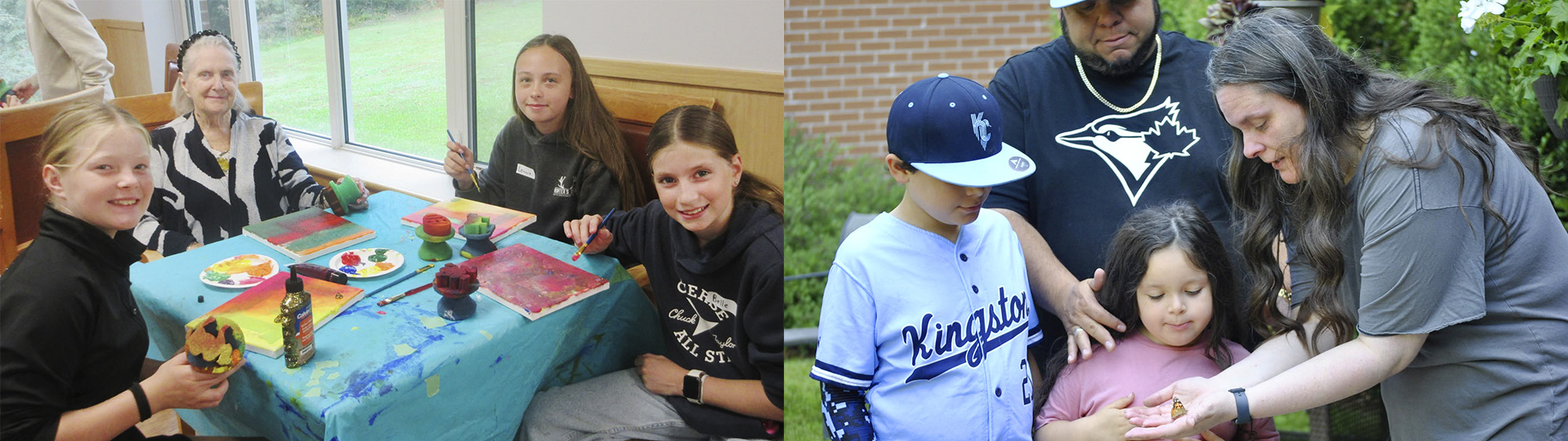
The future of Fairmount Home
The existing Fairmount Home building is approaching the end of its service life. Council is preparing for redevelopment, including the potential to expand Fairmount from 128 to 160 beds.
Redeveloping a long-term-care home is a major capital undertaking. The next council will need to make decisions about the scope, timing, funding, design, and delivery of the project, all while supporting Fairmount staff as they continue caring for residents in the existing building.
The next Council will inherit both the opportunity to add long-term-care capacity and the responsibility to plan carefully for one of the County’s largest future capital investments.
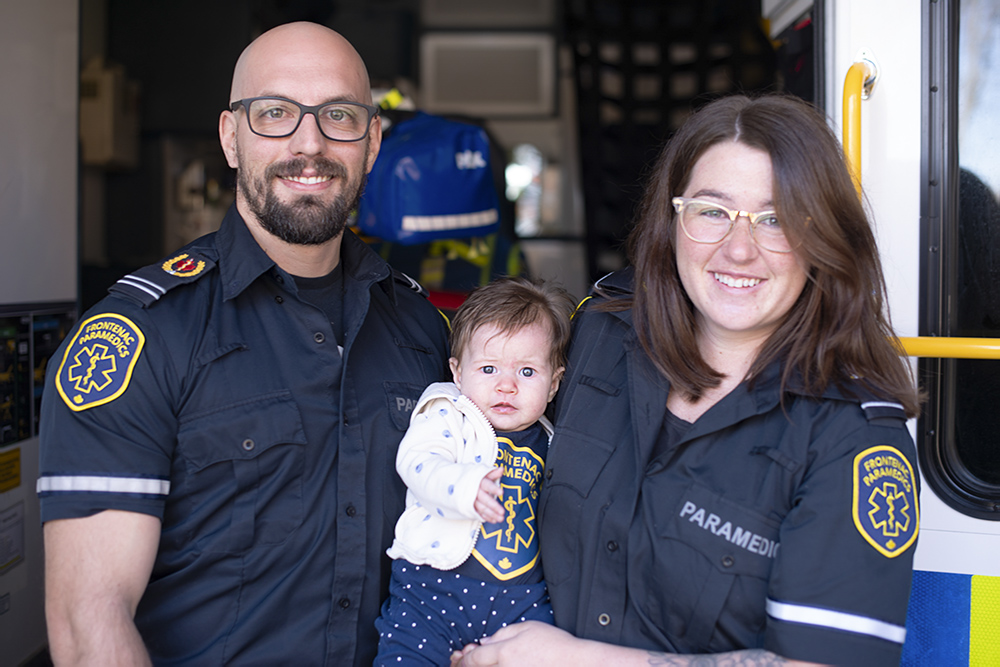
Staying ahead of paramedic service demand
Council added $1 million in new annual Paramedic staffing during the term, supporting eight new full-time Paramedic positions in two additional 12-hour shifts. Council also invested in vehicles, equipment, bases, leadership, and other resources.
But increasing demand pressure continues to affect Paramedic response times. Adding capacity and ensuring that Paramedic resources are deployed as efficiently as possible are keys to helping Paramedics arrive as quickly as possible for every emergency. And the paramedic profession is changing and evolving. Paramedics are becoming more specialized and more highly qualified than ever before, implying a need for ongoing investment in training and professional development.
The next Council will continue making decisions about the people, vehicles, facilities, technology, and other resources Paramedics need as demand changes.

Pioneering communal servicing for rural communities
Council and staff are advancing a new approach to one of rural development’s persistent challenges: providing safe water and wastewater services at a scale rural communities can afford. Communal systems represent a way to bridge the cost and efficiency gap between expensive traditional municipal treatment systems and individual well-and-septic systems.
Council supported the governance, planning, and advocacy work needed to move communal servicing forward during the term. The County and four member townships established Frontenac Municipal Services in 2023 to provides policy, advocacy, and operational frameworks for shared systems.
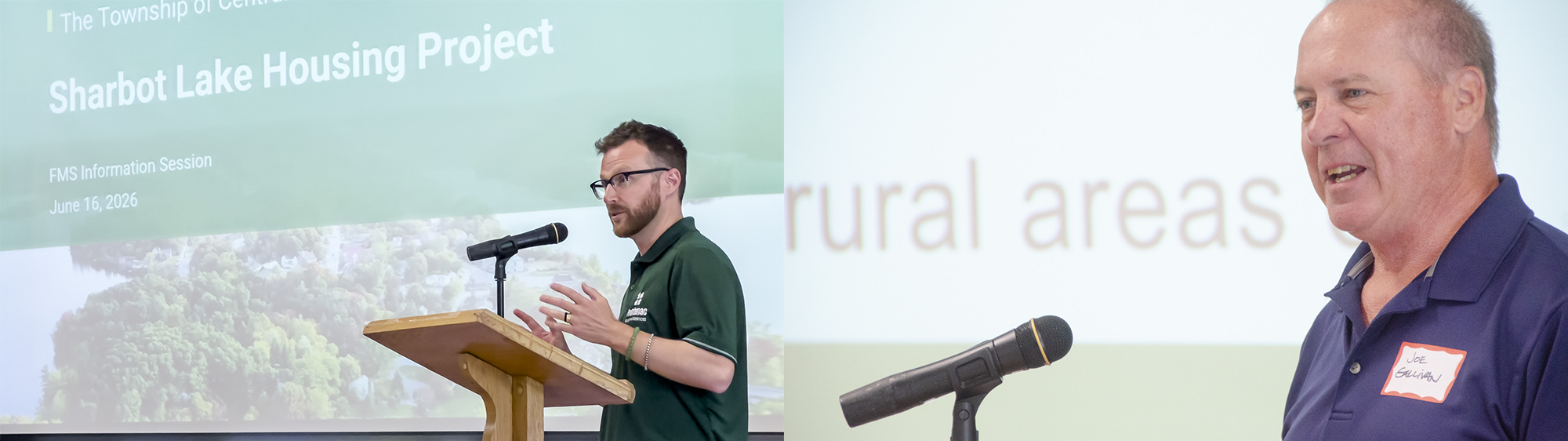
Councillors and FMS staff present land parcels in Verona, Marysville, and Sharbot Lake as ready opportunities where communal servicing could expand development and housing options in rural settlement areas.
But there are policy, regulatory, and cognitive hurdles that still need be to cleared before the full advantages of communal servicing are realized. The next Council will inherit the work needed to establish this new model as the new normal for rural development in Frontenac and across rural Ontario.
Planning for more growth
From 2023 through 2025, eligible residential building permits across Frontenac represented 443 dwelling units, and planning approvals created 117 new residential lots through consents. Larger proposals are also moving through the planning process. Collins Lake and Kinsland together represent 1,449 proposed dwelling units.
Not every permit or new lot represents a completed home today, and proposed developments remain subject to the planning and approval process. But the figures give and idea of the scale of growth for which councillors and planners are preparing.
As communities grow, the next councillors will continue making choices about housing, infrastructure, servicing, natural heritage, flood risk, and where development should occur. Staff will also continue advancing the Natural Heritage Study and other planning work that informs those decisions.
New opportunities for Marysville
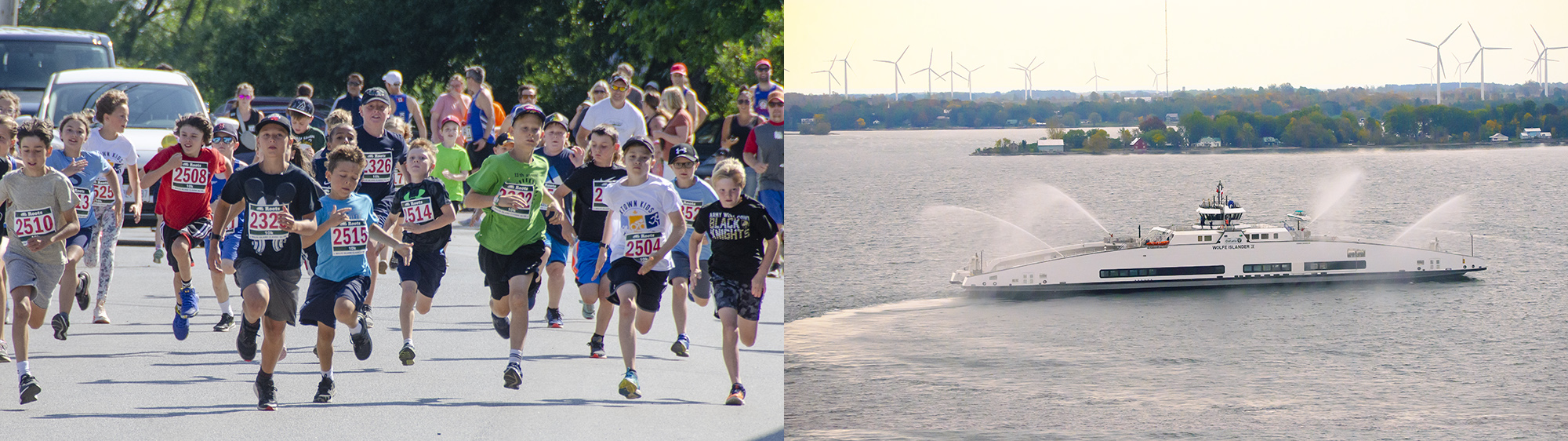
On Wolfe Island, the Province’s investment in the new ferry and terminals, together with year-round direct service between Marysville and Kingston, creates new opportunities for growth and development in Marysville.
Councillors and staff are working with representatives of the Township of Frontenac Islands and provincial partners as they plan for those opportunities. The Marysville lands identified as an opportunity for communal servicing could help the community accommodate some of that growth while expanding housing and development options.
The next Council will consider planning, servicing, housing, and community development together rather than as separate issues.
The next chapter for the Frontenac K&P Trail
Most of the trail is built out now. The emphasis for the next council will turn to looking after what has been built, improving user experience, strengthening connections with communities and businesses, and making the most of the trail’s recreational and economic potential.
The next Council will inherit an established regional asset and navigate new decisions about how best to maintain, promote, and connect it to the communities along its route.

Island transportation remains essential
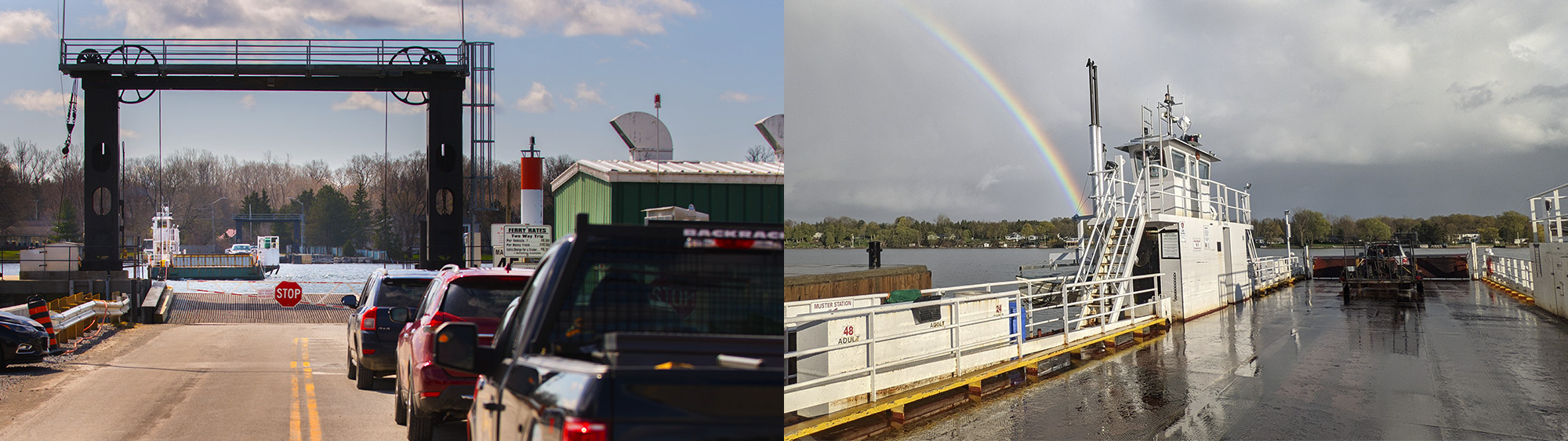
Howe and Wolfe islanders depend on ferry service, but the divisions of responsibility and authority for each service is very different. For example, County staff operate the Howe Island County Ferry. Council funds the County’s share of that service and advocates for appropriate provincial support but the Ministry of Transportation (MTO) owns and maintains the vessel and docks.
In contrast, MTO operates the Wolfe Island ferry service and owns the vessel and docks. Council’s role is different: Councillors and staff work with colleagues at the Township of Frontenac Islands and provincial partners on issues affecting the community and advocate when local needs require provincial action.
Add to that the Simcoe Island Ferry serving Simcoe from the West and of Wolfe Island, and Howe Island Township Ferry, which are both operated by the Township of Frontenac Islands. Include also the privately owned and operated Horne’s Ferry which has historically provided seasonal service between Wolfe Island and Cape Vincent, New York. It’s an important international link that has been in operational and ownership transition. County Council and staff will continue to work with Township of Frontenac Islands representatives and counterparts in New York on the effort to preserve Horne’s Ferry for future generations.
Despite the operational complexity, ferry connections will remain important to the people, communities, and economic activity they serve. The next council will need to continue to find new and innovative ways to navigate that complexity.
Care closer to home
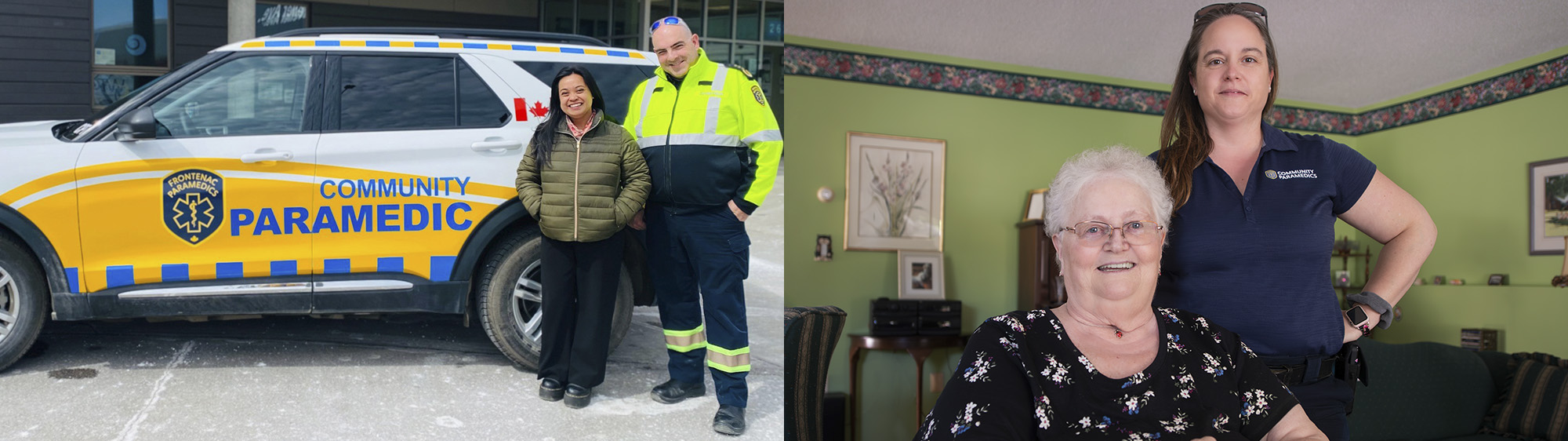
Council has supported primary-care partnerships and physician-recruitment work, including some financial support for the Wolfe Island nurse-practitioner pilot, and a second family doctor serving residents of North Frontenac.
Council also committed County funding to keep Community Paramedicine operating while long-term provincial funding remained uncertain. Permanent provincial funding subsequently provided a more secure foundation for that service.
Community transportation remains another important connection, particularly for residents who cannot drive or have limited transportation options. Council provides $96,000 annually to support volunteer transportation services delivered by Rural Frontenac Community Services and Southern Frontenac Community Services.
The next Council will continue working with healthcare and community partners as residents’ needs and provincial healthcare policies change.
Preparing for tomorrow’s costs
The next Council will inherit the infrastructure built by previous councils, and the responsibility to maintain and eventually replace it.
Council progressively increased the amount the County puts aside each year for future capital needs this term. Budget measures added about $81,000 a year to capital-reserve contributions in 2024 and about $241,000 a year in 2026. Those savings help prepare for future costs associated with vehicles, buildings, ferry infrastructure, trail assets, equipment, and other County needs.
Future councils will continue to decide how to balance services and investments needed today with costs they know will arrive tomorrow.
What comes next depends on all of us
The next Council will not start with a blank page. It will inherit services residents depend on, projects already underway, infrastructure that requires care, partnerships that require continued work, and choices that have not yet been made.
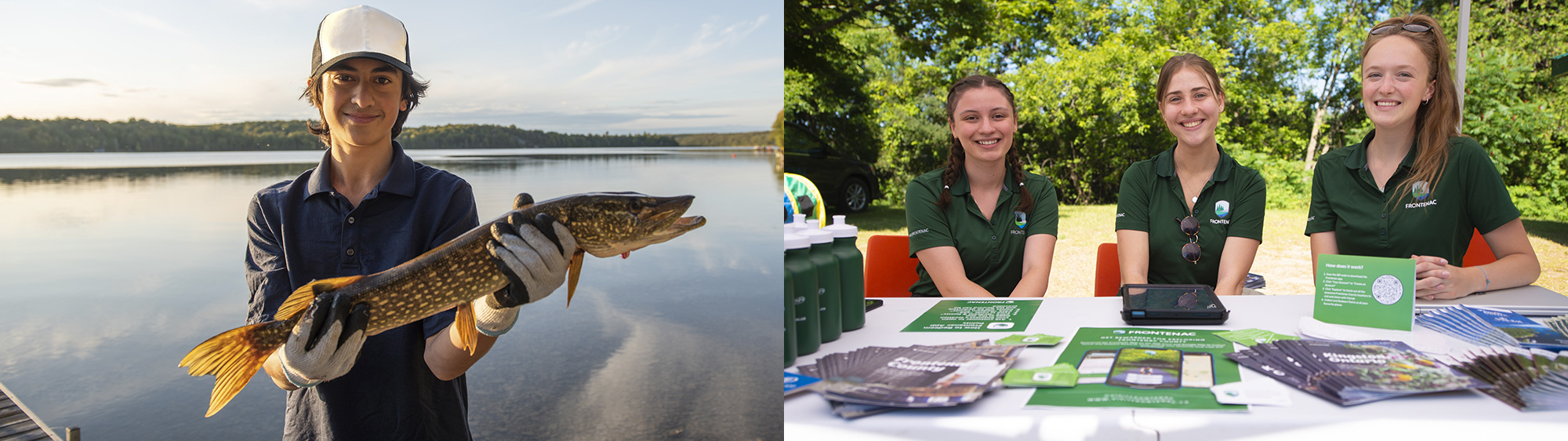
Councillors will make those decisions on behalf of the communities they represent. Staff and partners will bring expertise and implement Council’s direction. Residents have a critical role in making those choices.
Following Council’s work, asking questions, participating in consultation, and sharing local experience all help councillors understand what matters to the people they represent.
A Council term ends. The work does not.
Fairmount Home • Frontenac Paramedics • Frontenac Municipal Services • Frontenac K&P Trail • Visit Frontenac • Frontenac County • Back to Frontenac County Council Progress and Priorities

Thank you for your contribution!
Help us reach out to more people in the community
Share this with family and friends